



A Safe and Comfortable Space
When introducing a new puppy to your home, creating a dedicated space that is safe and comfortable is of paramount importance. This initial environment will aid in the acclimatization process, allowing your puppy to feel secure and at ease. One of the first steps in achieving this is to puppy-proof your living space. This involves securing hazardous items that could pose a danger to your curious companion. Make sure to remove sharp objects, toxic plants, and small items that could be swallowed, as these can lead to injury or health issues.
Once the area is free from hazards, focus on establishing a comfortable resting space for your puppy. A cozy bed is essential, as it provides not only a place for your pet to sleep but also a sense of ownership. Additionally, consider crate training as an effective method for reinforcing security and comfort. A crate can serve as a sanctuary for your puppy, creating a place where they can retreat when they feel stressed or overwhelmed. Always ensure the crate is properly sized; it should be large enough for your puppy to stand, turn around, and lie down comfortably.
It is also critical to designate a specific area for your puppy’s needs, such as feeding and potty training. Having a consistent location for meals and bathroom breaks aids in establishing routines, which can greatly reduce anxiety. This designated area should be accessible yet isolated from high-traffic zones, allowing your puppy to eat and rest undisturbed. Overall, the combination of a safe environment and dedicated space will help your new puppy adjust smoothly, fostering a sense of stability and comfort in their new home.
Quality Nutrition and Supplies
Proper nutrition is a cornerstone of fostering a healthy and thriving puppy. Selecting the right food is imperative, as it should be tailored to your puppy’s breed, size, and age. A puppy’s dietary needs vary significantly; a larger breed may require a formula designed to support controlled growth, while smaller breeds tend to need a more calorie-dense food to meet their higher energy requirements. Always consult your veterinarian for personalized recommendations that ensure your puppy receives the right balance of proteins, fats, and essential nutrients.
In addition to choosing appropriate food, hydration plays a crucial role in your puppy’s health. Fresh, clean water must always be accessible, as it is vital for digestion and overall well-being. Puppies, in particular, may not regulate their intake of water as efficiently as adult dogs, making supervision of their hydration levels important.
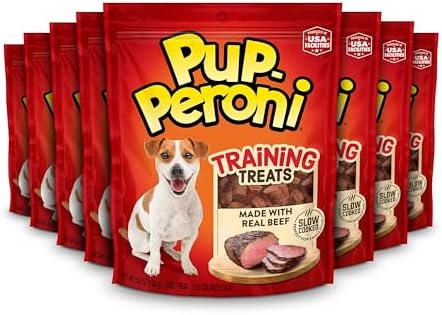
Furthermore, essential supplies contribute to a structured feeding routine that aids in digestive health. High-quality food and water bowls should be selected, ensuring they are the appropriate size and easily cleaned. Puppy snacks can serve as positive reinforcement during training, yet it is essential to choose treats that are nutritious and low in calories to maintain a balanced diet.
Establishing a consistent feeding schedule is another key component of puppy care. Puppies thrive on routine, and feeding them at the same times each day helps them develop a sense of security and ensures their proper metabolic function. When introducing new foods, do so gradually over several days to reduce the risk of digestive issues; sudden changes can lead to gastrointestinal upset. This gentle transition can assist in identifying any allergies or sensitivities, allowing for a tailored approach to your puppy’s nutrition.
Training Tools and Techniques
Providing your puppy with proper training tools and techniques is crucial for establishing expected behaviors and ensuring successful socialization. The first category of training tools includes leashes, collars, and harnesses. A well-fitted collar is essential for attaching identification tags and leads, while a leash enables control during walks. Harnesses are particularly beneficial for dogs who may pull on the leash, as they distribute pressure more evenly across the body, reducing the risk of injury. Investing in a sturdy, adjustable collar and a reliable leash will set a strong foundation for outdoor training sessions.
Another tool that is increasingly popular among dog trainers is the clicker. Clicker training is based on positive reinforcement, where you use a clicking sound to mark desired behaviors. This timing helps puppies understand exactly what action earned them a reward, such as treats or praise. Incorporating clicker training into your routine encourages your puppy to engage in good behaviors, creating a positive feedback loop that fosters learning.
Effective training techniques go hand-in-hand with the use of these tools. Positive reinforcement remains a cornerstone of puppy training, as it focuses on rewarding desired behaviors rather than punishing unwanted ones. This approach not only teaches your puppy what is expected but also builds confidence and strengthens your bond. Additionally, socialization practices are crucial during puppyhood. Interacting with diverse environments, people, and other animals allows your puppy to adapt to various situations and reduces the possibility of fear-based reactions in the future. Ensuring your puppy experiences a wide variety of stimuli in a controlled manner will ultimately contribute to their overall well-being and development.
In conclusion, equipping yourself with appropriate training tools and employing effective techniques can pave the way for a well-adjusted and well-behaved dog. By prioritizing this aspect of puppy care, you are investing in a harmonious relationship with your canine companion.
Regular Veterinary Care
Ensuring the health of your new puppy is a fundamental responsibility that every pet owner must prioritize. Establishing a routine schedule for veterinary visits is essential for monitoring your puppy’s growth and well-being. Regular check-ups enable veterinarians to assess your puppy’s overall health, conduct necessary vaccinations, and identify any potential health issues before they become severe. This proactive approach is vital for maintaining your puppy’s ongoing health and preventing illnesses.
Vaccination is a critical part of your puppy’s early healthcare. Initial vaccinations, typically administered within the first few months of life, protect against a variety of infectious diseases. Vaccines for parvovirus, distemper, and rabies are crucial, and your veterinarian will develop a tailored vaccination schedule based on your puppy’s specific needs and risk factors. Adhering to this schedule not only keeps your puppy healthy but also contributes to public health by preventing the spread of transmissible diseases.
In addition to vaccinations, preventive care measures such as flea and tick treatments are integral to your puppy’s health regimen. Fleas and ticks can pose serious health risks, leading to issues such as allergic reactions and potential transmission of diseases. Your veterinarian can recommend appropriate products that are safe for your puppy’s age and size, ensuring effective protection against these parasites.
Another important aspect of regular veterinary care is spaying or neutering your puppy. This procedure not only helps prevent unwanted litters but also contributes to long-term health benefits, reducing the risk of certain cancers and behavioral issues. By maintaining a consistent healthcare routine, pet owners can foster a healthier, happier life for their puppies, ultimately contributing to their overall longevity and quality of life.
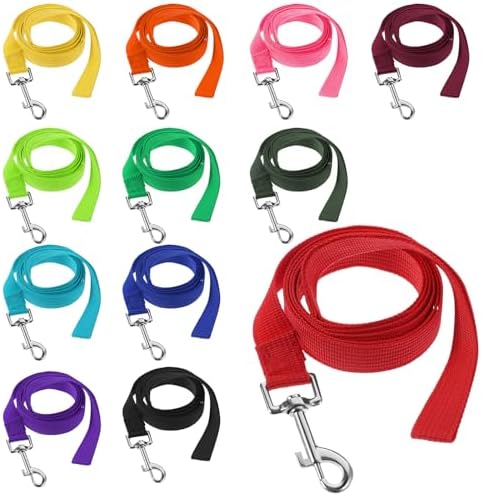
- **12-Pack Value: Upgrade your supplies with this 12 Pack Nylon Dog Training Leash set! Ideal for trainers, multi-dog hom…
- ** 5ft Nylon Durability: Engineered with 0.7-inch weather-resistant nylon (61″ L x 1.55cm W), these nylon dog leash 5 fe…
- **Puppy-Safe Traction Control: Gentle puppy line traction design features lightweight clips and rounded edges. Good for …
I am an amazon associate and I earn from qualifying purchases